|
|
|
|
|
 1,043 cc inline-four with DFI produces a massive amount of torque
|
|
|
|
|
|
Lightweight aluminum frame specifically designed for the Z1000
|
|
|
|
|
|
Fully adjustable inverted front fork with settings designed for sporty performance
|
|
|
|
|
|
Horizontal rear monoshock features stepless rebound damping and spring preload adjustability
|
|
|
|
|
|
Radial-mounted four-piston front brake calipers and radial-pump front brake master cylinder combine with 300 mm discs to provide superior stopping power
|
|
|
|
|
|
Digital instrument panel tilts to accommodate different viewing angles
|
|
|
|
|
|
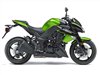
Aggressive styling makes a bold fashion statement
|
|
|
|
|
|
|
|
Liquid-cooled, inline-four offers substantial power at all rpm levels, providing effortless acceleration in almost any situation
|
|
|
|
|
|
Bore and stroke dimensions of 77 x 56.0 mm offer the best possible balance of peak power and low and mid-range flexibility
|
|
|
|
|
|
38 mm downdraft throttle bodies allow intake air to travel to the engine in the shortest possible distance
|
|
|
|
|
|
Oval sub-throttles help keep the engine slim – a good thing since the throttle bodies are positioned between the rider’s knees
|
|
|
|
|
|
Soft rev limiter provides good overrev character; power doesn’t drop off suddenly at high rpm
|
|
|
|
|
|
The crankshaft is positioned low in the crankcase assembly to allow a longer stroke without adding engine height
|
|
|
|
|
|
A secondary balancer, driven off a gear on the sixth web of the crankshaft, eliminates excess vibration
|
|
|
|
|
|
|
|
The intake system routes cool air to the airbox from ducts above the radiator shrouds, minimizing performance loss due to heated intake air
|
|
|
|
|
|
Positioning the ducts close to the rider allows the intake sound to be heard – and enjoyed – by the rider
|
|
|
|
|
|
A resonator inside the airbox reduces noise at low rpm, and enhances intake sound at high rpm
|
|
|
|
|
|
|
|
The exhaust system features a 4-into-2-pre-chamber-into-2 layout. Silencer end-caps maintain the quad-style image
|
|
|
|
|
|
Main and pre-catalyzers provide cleaner emissions
|
|
|
|
|
|
Thanks to the under-engine pre-chamber, silencer volume is reduced, and silencer weight is low. Exhaust system offers excellent mass centralization and contributes to a low center of gravity
|
|
|
|
|
|
|
|
Slim-type fuel pump features an integral fuel gauge
|
|
|
|
|
|
Fuel tank design and slim-type fuel pump minimizes unused volume inside the tank; fuel capacity is 4 gal.
|
|
|
|
|
|
|
|
Aluminum backbone frame designed specifically for the Z1000 (and similar in concept to the Ninja® ZX™-10R’s) helps make the bike narrow and easy to grip with the knees for maximum rider comfort and feedback
|
|
|
|
|
|
Lightweight and highly rigid, the frame uses the engine as a stressed member for a firm, planted feeling and enhanced stability
|
|
|
|
|
|
Frame is tuned to transmit the ideal level of engine feedback directly to the rider
|
|
|
|
|
|
The frame’s five-piece construction consists of steering stem, left and right main frames, and two cross pieces. The two main frame components have open C-shaped cross sections
|
|
|
|
|
|
As much as possible, welds were eliminated for simplicity and appearance. The frame beams and swingarm brackets are now single die-cast pieces
|
|
|
|
|
|
The frame uses four engine mounts; three mounts are rigid, while the upper rear crankcase mount is rubber
|
|
|
|
|
|
The rear sub-frame is a three-piece aluminum die-casting construction, which is light, strong and optimizes mass centralization
|
|
|
|
|
|
The sub-frame is an example of form and function combined, negating the need for side covers and allowing underseat narrowness for a shorter reach to the ground
|
|
|
|
|
|
|
|
Rear suspension design positions the shock unit and linkage above the swingarm where it’s less exposed to exhaust heat and contributes to mass centralization
|
|
|
|
|
|
Visible from the outside, the horizontal monoshock contributes to the Z1000’s aggressive appearance
|
|
|
|
|
|
Linkage characteristics are the same as those of a standard Uni-Trak® rear suspension: Wheel movement versus shock stroke is the same ratio
|
|
|
|
|
|
The shock features stepless rebound damping and spring preload adjustability
|
|
|
|
|
|
|
|
The Z1000’s 41 mm inverted fork is adjustable for compression damping, rebound damping and spring preload – and is protected from harm by a cool-looking shroud
|
|
|
|
|
|
Settings are designed for both sporty performance and excellent comfort
|
|
|
|
|
|
|
|
The tubular handlebar is rigid mounted, contributing to sharp, direct handling
|
|
|
|
|
|
A wide, flat bend handlebar offers a design similar to those on off-road bikes for excellent control
|
|
|
|
|
|
Tapered-type grips, like those used on supersport models, offer a more direct feel
|
|
|
|
|
|
Ninja ZX-10R-style footpegs with knurled surfaces offer good grip, direct feel and control, and no-nonsense looks
|
|
|
|
|
|
The passenger footpeg brackets incorporate convenient luggage hooks
|
|
|
|
|
|
|
|
The Z1000’s 300 mm front petal-style brake discs are gripped by opposed four-piston radial-mount calipers. (Caliper piston size is 4 x 30 mm)
|
|
|
|
|
|
A radial-pump front brake master cylinder contributes to the superb control and feel offered by these high-end calipers
|
|
|
|
|
|
The rear brake is a single piston, pin-slide caliper gripping a 250 mm petal-style disc. The caliper is mounted below the swingarm, and located by a torque rod
|
|
|
|
|
|
|
|
A distinctive tilting instrument panel with multifunction LCD display behind an Orange lens covers all systems
|
|
|
|