|
|
|
|
|
 1,043 cc inline-4 with DFI® offers serious torque
|
|
|
|
|
|
Lightweight aluminum frame is narrow and tuned to transmit optimal feedback to the rider
|
|
|
|
|
|
Fully adjustable inverted front fork has settings designed for sporty performance and ride quality
|
|
|
|
|
|
Placement of horizontal back-link rear suspension contributes to mass centralization
|
|
|
|
|
|
Radial-mounted front brake calipers combine with the radial-pump front brake master cylinder to offer superb control and feel
|
|
|
|
|
|
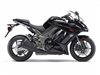
Sleek, supersport styling gives the Ninja® 1000 a distinctive look
|
|
|
|
|
|
Relaxed, upright riding position contributes to all-day comfort
|
|
|
|
|
|
Larger fuel capacity offers substantial range
|
|
|
|
|
|
Windscreen is adjustable to 3 positions, allowing for optimum wind and weather protection
|
|
|
|
|
|
|
|
Liquid-cooled inline-4 offers true open-class power from idle to redline, making it easy to harness for experts and novices alike
|
|
|
|
|
|
Bore and stroke dimensions of 77 x 56 mm offer an ideal balance of peak power and low- and mid-range flexibility
|
|
|
|
|
|
38 mm Keihin throttle bodies cram the air / fuel mixture directly into combustion chambers via downdraft intakes for maximum power
|
|
|
|
|
|
Oval sub-throttles help keep the engine slim, and a slim midsection allows an ideal bike / rider interface for maximum comfort and control
|
|
|
|
|
|
Engine’s rev limiter comes into play “softly,” providing usable overrev character since power doesn’t drop off suddenly at high rpm
|
|
|
|
|
|
The engine’s relatively low crankshaft position allows a moderately long stroke without adding engine height
|
|
|
|
|
|
A secondary engine balancer, driven off a gear on the sixth web of the crankshaft, eliminates excess vibration and contributes to rider comfort
|
|
|
|
|
|
|
|
Intake system routes cool air to the airbox via ducts in the fairing, minimizing performance loss due to heated intake air
|
|
|
|
|
|
Duct positioning – close to the rider – allows the intake howl to be heard and enjoyed
|
|
|
|
|
|
Airbox resonator reduces noise at low rpm and enhances intake sound at higher revs
|
|
|
|
|
|
|
|
The exhaust system features a 4-into-2-pre-chamber-into-2 layout; silencer end-caps maintain the quad-style image
|
|
|
|
|
|
Main and pre-catalyzers ensure cleaner emissions
|
|
|
|
|
|
Thanks to the under-engine pre-chamber, silencer volume is reduced, and silencer weight is low; exhaust system offers excellent mass centralization and contributes to a low center of gravity
|
|
|
|
|
|
|
|
Slim-type fuel pump features an integral fuel gauge
|
|
|
|
|
|
Fuel tank design and slim-type fuel pump minimizes dead volume inside the tank; fuel capacity is 4 gal.
|
|
|
|
|
|
|
|
Supersport-style full-fairing bodywork gives the Ninja 1000 a distinctive, head-turning look, and also offers plenty of wind and weather protection for short-tour ability
|
|
|
|
|
|
The fairing’s slat-style leading edges direct wind around the bike, allowing the fairing to be narrower at the middle
|
|
|
|
|
|
The fairing flares at the rear, keeping hot engine air from hitting the rider’s legs
|
|
|
|
|
|
Original design front turn signals are integrated into the fairing and are attached to the inside of the fairing with rubber mounts that minimize damage if the bike falls over
|
|
|
|
|
|
ZX-6R-spec front fender contributes to excellent aerodynamics and racy looks
|
|
|
|
|
|
Slim and compact tail cowl moves mass physically and visually toward the front of the bike
|
|
|
|
|
|
LED taillight features red LED bulbs and a red transparent lens
|
|
|
|
|
|
Slim rear fender gives the bike a light-looking rear end
|
|
|
|
|
|
Windscreen is manually adjustable for optimum wind / weather protection
|
|
|
|
|
|
Windscreen has 3 available positions spanning approximately 20° and ranging from sporty to maximum wind protection; adjustment can be done by hand (no tools required) by depressing the release button below the instrument panel; windscreen adjustment should always be done with the bike stopped
|
|
|
|
|
|
|
|
Aluminum backbone frame is similar in concept to the Ninja ZX-10R’s, and helps make the bike narrow and easy to grip with the knees for maximum rider comfort and feedback
|
|
|
|
|
|
The frame is lightweight and highly rigid, and uses the engine as a stressed member for solid handling and optimum stability
|
|
|
|
|
|
Frame elements are tuned to transmit optimal engine feedback to the rider
|
|
|
|
|
|
The frame’s 5-piece construction consists of steering stem, left and right main frames, and 2 cross pieces. The 2 main frame components have open C-shaped cross sections
|
|
|
|
|
|
Welds were eliminated wherever possible for simplicity and appearance; the frame beams and swingarm brackets are single die-cast pieces
|
|
|
|
|
|
The new frame uses 4 engine mounts, 3 of which are rigid, 1 of which (the upper rear crankcase mount) is rubber
|
|
|
|
|
|
Rear sub-frame is a 3-piece aluminum die-casting assembly that’s light, strong and optimizes mass centralization
|
|
|
|
|
|
The sub-frame is an example of form and function combined, negating the need for side covers and allowing under-seat narrowness for a shorter reach to the ground
|
|
|
|
|
|
|
|
All-new rear suspension design positions the shock unit and linkage above the swingarm where it’s less exposed to exhaust heat and contributes to mass centralization
|
|
|
|
|
|
Visible from the outside, the horizontal monoshock contributes to the Ninja 1000’s ultra-sporty appearance
|
|
|
|
|
|
Linkage characteristics are the same as those of a standard Uni-Trak® system: Wheel movement versus shock stroke is the same ratio
|
|
|
|
|
|
The shock features stepless rebound damping and spring preload adjustability for a custom-tuned ride
|
|
|
|
|
|
|
|
The Ninja 1000’s inverted fork is adjustable for compression damping, rebound damping and spring preload – and is protected from harm by a cool-looking shroud
|
|
|
|
|
|
Settings are designed for both sporty performance and ride quality
|
|
|
|
|
|
Separate, raised handlebars contribute to the sporty, comfortable riding position; bar stays are mounted to the fork tube tops, which extend above the top clamp
|
|
|
|
|
|
A thick urethane seat provides a high level of rider and passenger comfort
|
|
|
|
|
|
Tapered-type grips, like those used on supersport models, offer a more direct feel
|
|
|
|
|
|
Ninja ZX-10R-style footpegs with knurled surfaces offer good grip, direct feel and control, and no-nonsense looks
|
|
|
|
|
|
The passenger footpeg brackets incorporate convenient luggage hooks
|
|
|
|
|
|
|
|
300 mm front petal-type brake discs are gripped by opposed 4-piston radial-mount calipers (caliper piston size is 4 x 30 mm)
|
|
|
|
|
|
A radial-pump front brake master cylinder contributes to the superb control and feel offered by these high-end calipers
|
|
|
|
|
|
The rear brake is a 1-piston, pin-slide caliper gripping a 250 mm petal-type disc; the caliper is mounted below the swingarm, and located by a torque rod
|
|
|
|
|
|
|
|
5 gal. (19 l) fuel tank offers substantial range
|
|
|
|
|
|
Steel construction facilitates use of magnetic tank bag
|
|
|
|
|
|
Tank shape (flared edges and a trim shape at the back) allows riders to easily grip tank with their knees
|
|
|
|
|
|
|
|
Sporty instrument panel features a large analog tachometer and multi-function LCD screen; it’s a design based on the ZX-6R’s unit, but which features original graphics and coloring
|
|
|
|
|
|
Functions include speedometer, tachometer, fuel gauge, odometer, clock, dual trip meters and warning lamps
|
|
|
|
|
|
Hazard switch located on left bar pod
|
|
|
|